

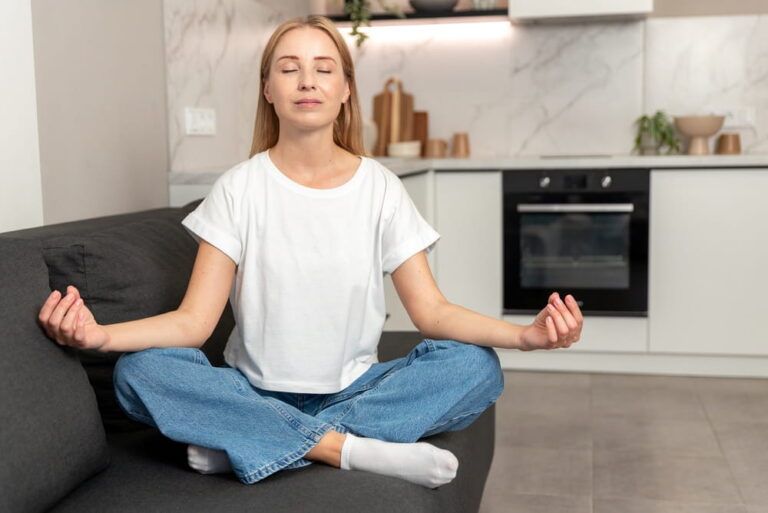
In today’s fast-paced environment, stress and constant distractions can make it difficult to feel grounded. Many people move through their day on autopilot, rarely pausing to notice how they feel physically or emotionally. Practicing mindfulness offers a way to reconnect with the present moment, helping to reduce anxiety and improve overall well-being. At MD First Primary and Urgent Care in Lancaster, SC, patients are often encouraged to adopt small, sustainable habits that support both mental and physical health.
Mindfulness does not require major lifestyle changes or hours of meditation. Instead, it involves simple, intentional practices that can be woven into everyday routines. Whether you are at home, at work, or on the go, mindfulness techniques can help you stay centered and better manage daily challenges.
Understanding Mindfulness and Its Benefits
Mindfulness is the practice of paying attention to the present moment without judgment. This means noticing your thoughts, feelings, and surroundings without trying to change or resist them. Over time, this awareness can lead to greater emotional balance and resilience.
Research shows that mindfulness can reduce stress, improve focus, and even support physical health by lowering blood pressure and improving sleep quality. Incorporating mindfulness into your daily routine can complement overall wellness strategies often discussed during visits related to Primary Care, where preventive approaches are emphasized.
Simple Breathing Techniques to Reset Your Mind
Deep Breathing for Instant Calm
One of the easiest ways to practice mindfulness is through focused breathing. Taking slow, deep breaths signals your body to relax and can quickly reduce feelings of stress or overwhelm. Try inhaling deeply through your nose for four seconds, holding for four seconds, and exhaling slowly through your mouth for six seconds.
Practicing this technique for just a few minutes can help regulate your nervous system. It’s especially useful during stressful moments, such as before an important meeting or after a long day.
Box Breathing for Focus
Another effective method is box breathing, which involves inhaling, holding, exhaling, and holding again for equal counts. This structured pattern can improve concentration and create a sense of stability, making it a helpful tool during busy or demanding situations.
Bringing Mindfulness into Daily Activities
Mindfulness does not have to be limited to quiet moments. In fact, some of the most powerful practices happen during everyday tasks. Activities like eating, walking, or even washing dishes can become opportunities to slow down and be present.
For example, mindful eating involves paying attention to the taste, texture, and smell of your food rather than rushing through a meal. Similarly, a mindful walk encourages you to notice your surroundings, the sensation of your steps, and the rhythm of your breathing. These small shifts can make ordinary experiences feel more meaningful and less stressful.
Grounding Techniques for Stressful Moments
When stress or anxiety becomes overwhelming, grounding techniques can help bring your focus back to the present. One popular method is the 5-4-3-2-1 technique, which involves identifying:
- 5 things you can see
- 4 things you can feel
- 3 things you can hear
- 2 things you can smell
- 1 thing you can taste
This exercise engages your senses and helps interrupt negative thought patterns. It’s a practical tool that can be used anywhere, whether you’re at work, at home, or waiting for care in a setting related to Urgent Care situations where stress levels may be higher.
Creating a Consistent Mindfulness Routine
Consistency is key when it comes to mindfulness. Rather than trying to overhaul your entire routine, start with small, manageable practices. Setting aside even five minutes a day can make a noticeable difference over time.
You might begin your morning with a brief breathing exercise or end your day with a moment of reflection. Some people find it helpful to pair mindfulness with existing habits, such as practicing deep breathing while brushing their teeth or taking a mindful pause before meals. Over time, these practices become second nature and contribute to a greater sense of calm.
The Connection Between Mindfulness and Overall Health
Mindfulness is not just about mental clarity; it also plays a role in physical health. Chronic stress can contribute to a variety of health issues, including headaches, digestive problems, and fatigue. By managing stress more effectively, mindfulness supports the body’s natural ability to heal and function properly.
Incorporating mindfulness alongside regular health checkups and preventive care strategies can create a more balanced approach to wellness. This holistic perspective is often part of broader health discussions, including those related to Occupational Medicine Services, where managing stress and maintaining focus are essential for workplace safety and productivity.
Embracing Everyday Calm
Mindfulness is a powerful yet simple way to bring more calm and clarity into your daily life. By focusing on the present moment, practicing intentional breathing, and incorporating awareness into routine activities, you can reduce stress and improve your overall sense of well-being.
Even small steps can lead to meaningful changes over time. As you begin to integrate mindfulness into your routine, you may find that you feel more grounded, focused, and resilient in the face of everyday challenges. MD First Primary and Urgent Care in Lancaster, SC encourages individuals to explore these simple practices as part of a balanced approach to health and wellness.
Sources
Kabat-Zinn, J. (2003). Mindfulness-Based Interventions in Context: Past, Present, and Future. Clinical Psychology: Science and Practice.
American Psychological Association. (2020). Mindfulness Meditation: A Research-Proven Way to Reduce Stress.
Harvard Health Publishing. (2019). Mindfulness Meditation Improves Mental Health.