

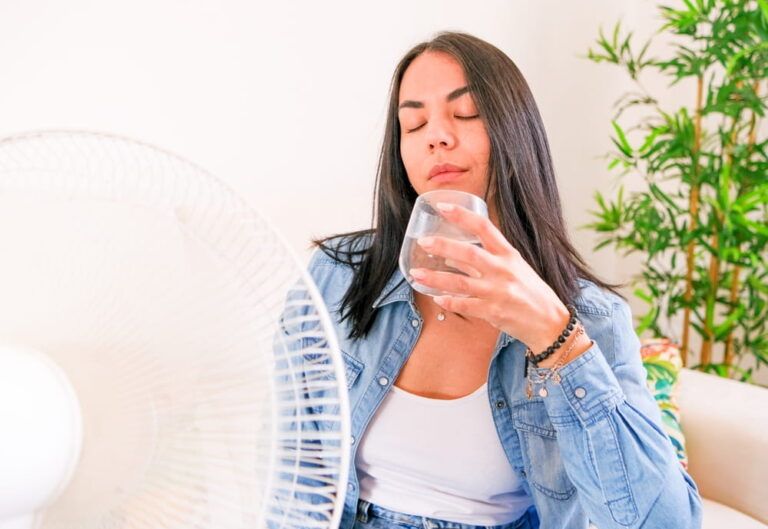
When temperatures rise, the body works harder to maintain a stable internal temperature. Sweating becomes the primary cooling mechanism, but it also leads to fluid and electrolyte loss. Without proper hydration, this natural process can quickly lead to dehydration, fatigue, dizziness, and more serious conditions like heat exhaustion or heat stroke. For individuals living in warm climates such as Lancaster, SC, these risks become even more relevant during peak summer months. MD First Primary and Urgent Care emphasizes the importance of recognizing early warning signs before they escalate into medical emergencies.
Heat-related illnesses often develop gradually, making them easy to overlook at first. Symptoms like dry mouth, headaches, muscle cramps, and dark-colored urine can signal dehydration. If ignored, these can progress to confusion, rapid heartbeat, or fainting. Certain groups—including children, older adults, and those with chronic conditions—are more vulnerable to these effects. Understanding how the body reacts to heat is the first step in protecting overall health and preventing complications during prolonged exposure.
Building Better Hydration Habits
Drinking Water Consistently Throughout the Day
Staying hydrated is not just about drinking water when you feel thirsty. By the time thirst kicks in, the body may already be mildly dehydrated. Establishing a routine of consistent fluid intake throughout the day helps maintain optimal hydration levels. Water is always the best choice, but beverages like electrolyte solutions or coconut water can also help replenish lost minerals during periods of heavy sweating.
It is also helpful to monitor hydration by observing simple indicators. Pale yellow urine typically signals adequate hydration, while darker shades may indicate a need for more fluids. Carrying a reusable water bottle and setting reminders can make it easier to stay on track, especially during busy days. Incorporating hydration into daily routines ensures the body remains prepared to handle rising temperatures.
Choosing Hydrating Foods
Hydration does not come from liquids alone. Many fruits and vegetables have high water content and contribute significantly to daily fluid intake. Foods like watermelon, cucumbers, oranges, and strawberries are excellent choices during hot weather. These foods also provide essential vitamins and minerals that support overall health and help the body recover from heat exposure.
Eating lighter meals can also make a difference. Heavy, high-fat meals can increase body temperature and make you feel sluggish. Opting for fresh, nutrient-rich options not only supports hydration but also helps maintain energy levels throughout the day. A balanced approach to food and fluid intake creates a strong foundation for staying healthy in the heat.
Protecting Yourself Outdoors
Timing and Preparation Matter
Outdoor activities should be planned carefully during hot weather. The sun’s intensity is typically strongest between late morning and mid-afternoon, making this the most dangerous time for prolonged exposure. Whenever possible, schedule outdoor tasks or exercise during early morning or evening hours when temperatures are lower.
Proper clothing also plays a significant role in heat protection. Lightweight, loose-fitting, and light-colored fabrics help reflect sunlight and allow the body to cool more efficiently. Wearing a wide-brimmed hat and applying sunscreen can further reduce the risk of heat-related stress. Preparation is key to minimizing exposure and maintaining comfort in high temperatures.
Recognizing When to Take Breaks
Even with precautions, the body can become overwhelmed by heat. Taking frequent breaks in shaded or air-conditioned environments allows the body to recover and cool down. Listening to your body is essential—if you feel fatigued, dizzy, or overheated, it is important to stop activity immediately and rest.
Here are a few quick reminders to stay safe outdoors:
- Take breaks every 20–30 minutes in shaded areas
- Drink water before, during, and after activity
- Avoid strenuous exercise during peak heat hours
- Use cooling towels or misting sprays if available
These small steps can significantly reduce the risk of heat-related illness and keep outdoor experiences enjoyable and safe.
Supporting Overall Health During Heat Waves
Hot weather can place additional strain on the body, especially for individuals managing chronic conditions such as heart disease, diabetes, or respiratory issues. Staying hydrated helps regulate body temperature, maintain blood pressure, and support proper organ function. It is also important to continue routine health monitoring and adjust daily habits as needed during extreme heat.
Preventive healthcare plays a key role in managing seasonal challenges. Regular check-ins with a healthcare provider can help identify potential risks and ensure that the body is prepared to handle environmental stressors. Services like Primary Care provide ongoing support for maintaining wellness, while situations requiring immediate attention may benefit from Urgent Care resources. Additionally, individuals working in high-temperature environments may benefit from guidance related to Occupational Medicine Services, which focus on workplace safety and health.
Taking a proactive approach to health during the summer months helps reduce the likelihood of complications. Staying informed, prepared, and attentive to your body’s needs can make a significant difference in overall well-being.
Staying Safe and Prepared All Season Long
Adapting to hot weather requires a combination of awareness, preparation, and consistency. Hydration should remain a daily priority, supported by smart dietary choices and mindful activity planning. By recognizing the signs of heat-related stress and responding early, individuals can avoid serious health risks and enjoy the season more comfortably.
In communities like Lancaster, SC, where summer temperatures can be intense, these strategies become especially important. MD First Primary and Urgent Care encourages individuals to stay proactive about their health, prioritize hydration, and take necessary precautions when spending time outdoors. With the right habits in place, it is possible to stay safe, energized, and healthy throughout the hottest days of the year.
Sources
Centers for Disease Control and Prevention. (2022). Heat-Related Illness.
Mayo Clinic. (2023). Dehydration: Symptoms and Causes.
National Institute for Occupational Safety and Health. (2021). Heat Stress.