With the passing of Memorial Day, summer is upon us and many people are out and about enjoying the summer sun. However, for the health of you and your family, there are a few things you should keep in mind. As you and your family are out enjoying the summer sun, here are some tips to help you stay healthy:
Don’t Forget Sunscreen
First and foremost if you plan on being outside, be sure to wear and reapply sunscreen as needed. You should apply sunscreen at least 15 minutes before you go outside since it takes about that long to be absorbed into your skin. It is recommended that you use sunscreen that contains sun protection factor (SPF) of at least 30, although higher SPF levels provide additional protection. On average, you can expect to reapply sunscreen every two hours that you are out in the sun. It is especially important to wear sunscreen between the hours of 11 am and 2 pm, because this is when the sun is brightest and the UV rays are the strongest. Not only does sunscreen help to prevent painful sunburns, but it will also protect your skin from harmful ultraviolet (UV) rays that are known to cause skin cancer.
Stay Cool
Although it may be hard to stay cool during the summer, you want to take special care to not get overheated. There are different heat-related illnesses that can occur if your body gets too hot. Depending on the symptoms and their severity, heat-related illnesses can require immediate medical attention. To stay cool in the summer heat, exercise in the morning, evening, or in the shade whenever possible. You should also wear lightweight clothing that allows for the evaporation of sweat, as well as a hat to minimize additional sun exposure.
Drink Plenty of Water
Along with staying cool, many heat-related illnesses can also be prevented by staying hydrated. The recommended amount of water is eight glasses a day, however you should aim to drink more than that if you are out in the summer sun. When you are out in the summer sun, it is important to drink water constantly before you get thirsty. This allows your body to produce the necessary amount of sweat to keep you cool without being dehydrated. When it comes to staying hydrated, water is the best thing to drink. Additionally, you should avoid or limit drinks that contain caffeine or alcohol, since these can lead to dehydration.
Wear Insect Repellent
Many insects are highly active during the summertime and feed on human blood. In fact, ticks are the most active between late June and early July, and mosquitoes are most active throughout summer. To protect you and your family from insect-borne illnesses, be sure to use insect repellent, especially if you are hiking, camping, or are planning to spend a lot of time outdoors. Not only will insect repellent keep bugs from spreading illnesses, but it will also keep them from biting. This means no more itchy bug bites.
Dr Kumar is a highly skilled physician dedicated to providing gentle and effective care to patients of all ages and medical conditions. He achieved his degree in a field that he is passionate about. He believes that excellent health begins with education and has made his mission to enlighten patients to ways they can take greater control over their health. Dr Kumar is committed to continuing education activities and remaining aware of the latest advancements in Medical Science to maintain current high standards of care.
Did you know that as many as 95 million Americans over the age of 20 have total cholesterol levels higher than 200 mg/dL, with 29 million of those adults having total cholesterol levels higher than 240 mg/dL? Although cholesterol is needed for proper body functions, problems can arise when cholesterol levels become too high. As a general rule, acceptable levels of total cholesterol fall below 170, borderline high cholesterol is about 170-199, and high cholesterol is any number above 200.
There are two different types of cholesterol that make up your total blood cholesterol levels. These are known as low-density lipoprotein (LDL) and high-density lipoprotein (HDL). LDL is sometimes referred to as “bad cholesterol” because it transports cholesterol throughout the body and accumulates inside your blood vessels and arteries. HDL is generally considered “good cholesterol” because it moves excess cholesterol into the liver so that it can be removed from the body.
In most cases of high cholesterol, people tend to have higher levels of LDL cholesterol, which is why high cholesterol can become dangerous. For this reason, the majority of high cholesterol medications are aimed at reducing LDL levels in the body. However, there are cases where a person’s HDL cholesterol is higher than their LDL cholesterol. These high HDL levels can contribute to a higher total cholesterol number, but is not necessarily cause for concern.
If your doctor has diagnosed you with high cholesterol, the best way to prevent additional health problems is to work on lowering your cholesterol. This usually involves some lifestyle changes. Here are a few things you can do daily to help lower your cholesterol:
Exercise
Of course, exercising regularly is one of the daily habits that can help reduce your cholesterol. As little as 2.5 hours of brisk walking or 1 hour of jogging a week is enough to lower cholesterol levels. Assuming you exercise seven days a week, this means you only have to walk 20 minutes a day.
Eat Right
Another key habit to lowering your cholesterol is to eat the right types of food. Foods like fish, nuts, and avocados, as well as oils such as canola, vegetable, olive, and sunflower all contain unsaturated fats, which do not raise cholesterol levels. Whole grains, beans, peas, fruits, and vegetables contain soluble fiber, which also helps to decrease cholesterol levels by preventing its absorption into the body.
Avoid Certain Foods
Not only will eating right help to decrease your cholesterol levels, but avoiding or reducing certain foods can be beneficial as well. Red meat, pork, chicken, and dairy products all contain saturated fats, which are solid at room temperature and can contribute to higher cholesterol. Additionally, baked goods, frozen foods, snack foods, margarine, coffee creamer, refrigerated dough, and vegetable shortenings all contain trans fats, which are artificial fats that increase LDL levels while simultaneously decreasing HDL levels.
Manage Stress
Chronic stress has been linked to higher LDL levels and lower HDL levels. Therefore, managing your stress levels can also help to improve your cholesterol levels. Exercise is an ideal way to manage stress, however meeting with friends, reading, yoga, or breathing exercises can also be helpful.
Cook Differently
When cooking, try to use healthy oils in place of shortening, butter, or unhealthy oils, as well as fat-free broths. You can also flavor your food with herbs, spices, and lemon juice instead of artificial flavorings. Finally, baking, broiling, or steaming foods is much healthier than frying them.
Medications or Supplements
As a final note, you may want to consider speaking with your doctor about using certain medications or supplements to help improve your cholesterol levels. Some supplements that have been found to lower cholesterol include fish oil, psyllium, and coenzyme Q10. However, it is important to speak with your doctor to determine which option is best for you.
Dr Kumar is a highly skilled physician dedicated to providing gentle and effective care to patients of all ages and medical conditions. He achieved his degree in a field that he is passionate about. He believes that excellent health begins with education and has made his mission to enlighten patients to ways they can take greater control over their health. Dr Kumar is committed to continuing education activities and remaining aware of the latest advancements in Medical Science to maintain current high standards of care.
May 27th is National Senior Health & Fitness Day where over 100,000 seniors will participate in fitness activities across the United States. The ultimate goal of this day is to keep seniors healthy and fit, as well as to encourage them to start an appropriate exercise routine. Exercise benefits people of all ages, however there may be differences in the types of exercises performed depending on age and mobility.
The ideal exercise program is composed of cardio, strength training, and balance. Here are a few senior-friendly exercises within these categories:
Walking
It is recommended to walk 10,000 steps a day, which is roughly 5 miles. However, this doesn’t necessarily mean that you have to go on a 5 mile walk everyday. Even things like walking through the grocery store or around your house count towards your daily step totals. Taking the stairs is another easy way to get in more steps, while also strengthening your muscles and practicing balance. In order to keep track of your steps, you can purchase a cheap pedometer or even use an app on your cell phone.
Swimming
Another great exercise for seniors is swimming. Swimming helps to strengthen your muscles, heart, and lungs all while minimizing the amount of impact your bones and joints endure. For this reason, swimming is especially beneficial for people who have arthritis, osteoporosis, or old injuries that make other types of exercise difficult.
Cycling
If swimming isn’t really your thing, but you are still looking for a low-impact exercise, then cycling may be perfect for you. Like swimming, cycling is a cardiovascular exercise that strengthens your muscles without straining your joints.
Use a chair for core exercises
An easy way to strengthen your core muscles without exhausting yourself is to use a chair. Start by sitting at the edge of the chair with your feet on the floor, chest up, and shoulders back. Then, keep your hips in the same place, but move your upper body backwards so that your shoulders touch the back of the chair, then return to your starting position. This will help engage your core muscles without placing too much strain on your back or other structures.
Safe Squats
Squatting exercises your leg muscles and can reduce the need for ambulatory devices like canes, walkers, or wheelchairs. However, it is important that you squat safely by using the correct technique. To safely squat, push your hips back so that you are sticking out your bottom and then bend your knees. To keep your squat safe, don’t push yourself to go too far and keep your knees behind your toes. If you are unsure about how to safely squat, you may want to schedule an appointment for a professional to instruct you.
Using Resistance Bands
Resistance bands are elastic bands that have varying levels of resistance. They are used in coordination with specific exercises that help strengthen certain muscles. Resistance bands are also affordable and can be easily used in the comfort of your own home.
As you can see, there are a variety of exercises available for seniors that are both effective and safe. With that being said, you may want to discuss these options with your doctor to determine which would work best for you. Additionally, working with a professional such as a personal trainer or physical therapist may also be beneficial to help you establish a workout routine that is beneficial to your needs.
Dr Kumar is a highly skilled physician dedicated to providing gentle and effective care to patients of all ages and medical conditions. He achieved his degree in a field that he is passionate about. He believes that excellent health begins with education and has made his mission to enlighten patients to ways they can take greater control over their health. Dr Kumar is committed to continuing education activities and remaining aware of the latest advancements in Medical Science to maintain current high standards of care.
During the month of May, the National Osteoporosis Foundation is celebrating National Osteoporosis Month. The name osteoporosis literally translates to “porous bones” and is a bone disease characterized by a dramatic reduction in bone density. Unfortunately, the more porous the bones are, the more fragile they become. This can ultimately lead to fractures from the simplest things, like coughing.
Contrary to popular belief, osteoporosis is not a normal part of aging and keeping your bones healthy can help decrease the chances of it developing. Here are some things you can do throughout your lifetime to reduce the risk of developing osteoporosis later in life:
Watch Your Diet
Calcium, vitamin D, and protein are all important dietary elements to maintain your bone health and prevent osteoporosis. In most cases, eating a healthy and balanced diet is enough to ensure you are getting adequate amounts of these nutrients. However in some cases, you may need to supplement calcium or vitamin D. Your doctor can help you determine if you need to make dietary changes or take supplements.
Some foods that encourage bone health include:
Oily fish
Eggs
Dairy
Dark green veggies
Exercise
Another way to maintain bone health is to strengthen your bones through exercise, specifically weight-bearing and resistance exercises. Weight-bearing exercises are those that make you carry your own body weight and include walking, running, dancing, and hiking to name a few. Resistance exercises are those that use weights, elastic bands, or water to act as an opposing force to strengthen muscles and bones. To keep your bones healthy, it is recommended to do a combination of these exercises at least 3-4 days a week.
Some exercises that are recommended for bone health include:
Taking the stairs
Racket sports
Tai chi
Weight lifting
Push ups
Squats
Be Aware of the Risk Factors
There are certain risk factors that may increase your odds of developing osteoporosis. Therefore, it is important to be aware of these risk factors so that you can speak with your doctor about specific preventive measures. These include:
Being underweight (BMI less than 19)
Having a vitamin D deficiency
Getting less than 30 minutes of physical activity daily
Avoidance to dairy products
Excess alcohol intake
Being a current or past smoker
Adults over the age of 60
Height loss
Family history of osteoporosis, hip fractures, or a stooped back
Frequent falls
Low testosterone levels
Early menopause (decreased estrogen levels)
Having ovaries removed (decreased estrogen levels)
Having rheumatoid arthritis
Taking corticosteroids
Having type 1 or 2 Diabetes
Having hyperthyroidism or hyperparathyroidism
Digestive diseases such as ulcerative colitis, Crohn’s, or coeliac disease
Glucocorticoid treatments
Overall, there are a few things that you can do to reduce the risk of developing osteoporosis later in life. Eating a balanced diet and exercising regularly are two important aspects that you can control to minimize your risk. Additionally, being aware of your specific risk factors is another way to take preventative measures. While some risk factors can be controlled, others may be out of your control. However, you can speak with your doctor about preventative measures you can take to address your specific risk factors.
Dr Kumar is a highly skilled physician dedicated to providing gentle and effective care to patients of all ages and medical conditions. He achieved his degree in a field that he is passionate about. He believes that excellent health begins with education and has made his mission to enlighten patients to ways they can take greater control over their health. Dr Kumar is committed to continuing education activities and remaining aware of the latest advancements in Medical Science to maintain current high standards of care.
At this point, COVID-19 needs no introduction. It has spread rapidly through communities across the United States and is continuing to maintain a global health threat. More and more people are becoming familiar with the various symptoms of the virus, as well as the method through which it is spread. However, one thing you may be wondering is how the virus is contracted and whether it is as contagious as people are saying. While this is still being investigated by researchers, here are some of the basics about how COVID-19 is contracted.
The first step to becoming infected is to contract the virus. COVID-19 is most commonly contracted in the air by inhaling the virus, but it can also be contracted by touching surfaces with the virus on them. Viruses work by infecting healthy cells within the body and are ineffective without a host cell. Until they have joined with a host cell, they are simply known as a virion.
COVID-19 is an enveloped virus, meaning that it has a layer of protective lipids (fats) around its protein capsid and virion genome. Envelope viruses are highly sensitive and can be destroyed by stomach acid, heat, dryness, and disinfects like ethanol or propanol. However, envelope viruses are also able to “hide” from the body’s natural defense system.
The SARS-CoV-2 virion contains spiky outer proteins that attach themselves to the ACE receptors of healthy cells. These receptors are primarily found in the lower airway, which is why the virus affects the lungs. However recent research has found that these receptors are also on goblet and ciliated cells in the nose, as well as on the tongue and within the mouth. This explains how the virus enters the body primarily through the mouth or nasal passages.
Once fused with the plasma membrane (external wall) of the host cell, the virion genome is released into the cytoplasm (interior) of the cell. Since it is released into the cell’s cytomplasm, SARS-CoV-2 is an RNA virus. This means that the viral DNA is transformed into messenger RNA (mRNA) and used to create viral proteins.
These viral proteins are then used for one of three things:
Create special enzymes needed for viral replication
Inhibit host cell DNA, RNA, and protein synthesis
Create structural proteins used to construct new virions
Simply stated, once the SARS-CoV-2 virus has entered the cell, it then uses the cell to produce millions more copies of the virus. According to a study performed by German microbiologists, there are an average of 676,000 copies of the virus on a single swab taken from the mouth and nose during the first five days of symptoms. However, this number is believed to drop starting on day one and continuing until it is almost undetectable in most people by day ten. This trend suggests that the most copies of the virus are present before symptoms occur and is the main reason why the virus can spread so rapidly.
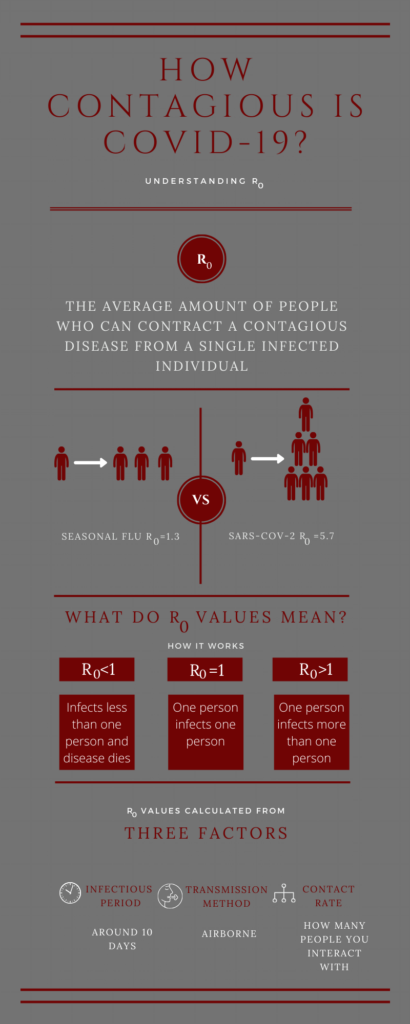
Additionally it is important to understand the mathematical and epidemilogical term R0 (R naught). R0 is used to describe the average amount of people who can contract a contagious disease from a single infected individual. R0 is calculated by taking into account a diseases’ infectious period, contact rate, and mode of transmission. Longer periods of infectiousness, frequent contact with others, and airborne illness tend to have a higher R0.
Here’s how it works:
If R0 <1, then one infected person can cause less than one infection. In these cases, the disease will eventually die out
If R0=1, then one infected person can cause one new infection. In these cases, the disease will be infectious, but not cause an outbreak
If R0>1, then one infected person can cause more than one infection. In these cases, the higher the R0 value, the more infections the disease is
Initially, researchers believed that the SARS-CoV-2 virus had an R0=2.2-2.7, indicating that a single infected person could infect 2-3 people. However, more recent research suggests that SARS-CoV-2 actually has an R0=5.7, meaning that a single infected person can infect 5-6 people. To put things into perspective, the 1918 pandemic flu had an R0 = 1.4-2.8, the 2009 H1N1 virus had an R0= 1.4-1.6, and the annual flu has an R0=1.3. These numbers clearly suggest that COVID-19 is significantly more contagious than other viruses we’ve seen in the past.
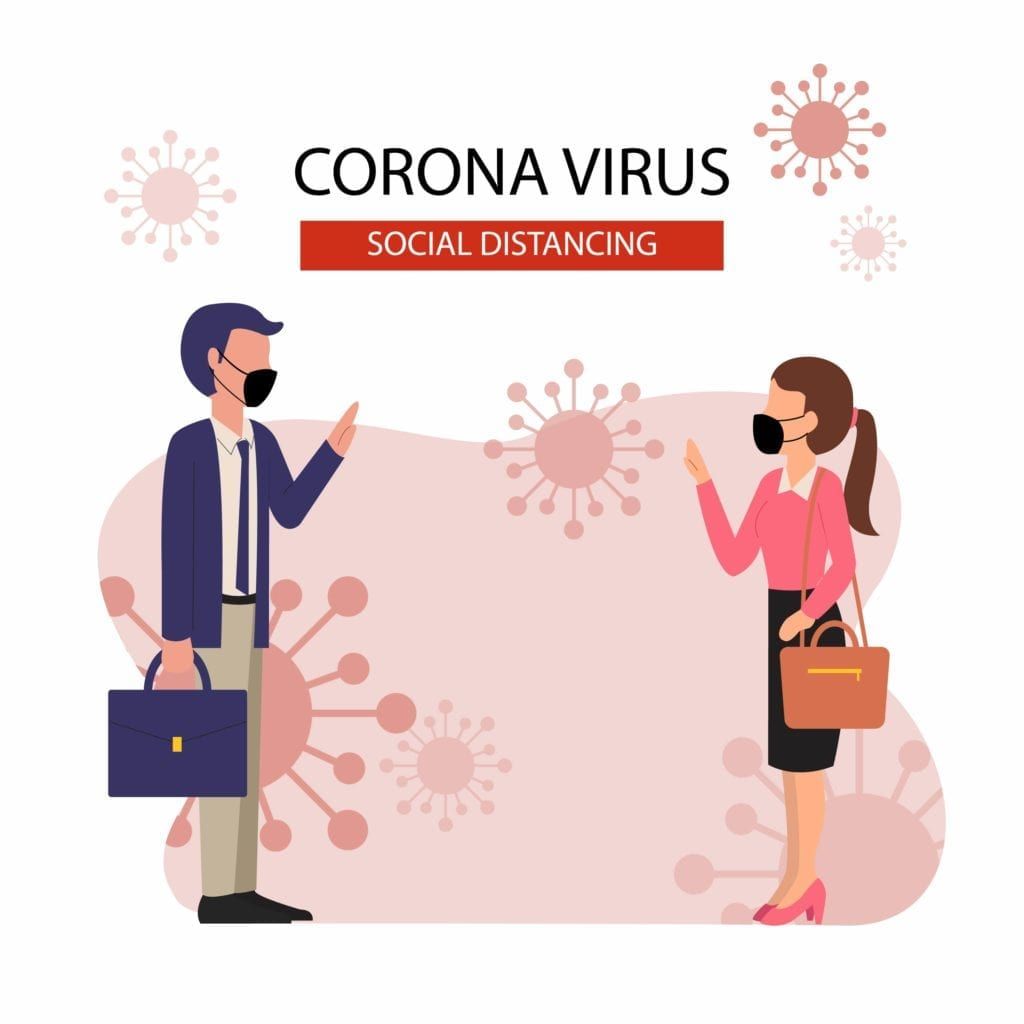
Since R0 is calculated considering the infectious period, contact rate, and transmission method of a disease, it can change over time. While the infectious period and transmission method cannot easily be controlled, the contact rate can. With that being said, medical experts are urging people to practice social distancing as a way of lowering the contact rate and thus the overall R0 of COVID-19.
Dr Kumar is a highly skilled physician dedicated to providing gentle and effective care to patients of all ages and medical conditions. He achieved his degree in a field that he is passionate about. He believes that excellent health begins with education and has made his mission to enlighten patients to ways they can take greater control over their health. Dr Kumar is committed to continuing education activities and remaining aware of the latest advancements in Medical Science to maintain current high standards of care.
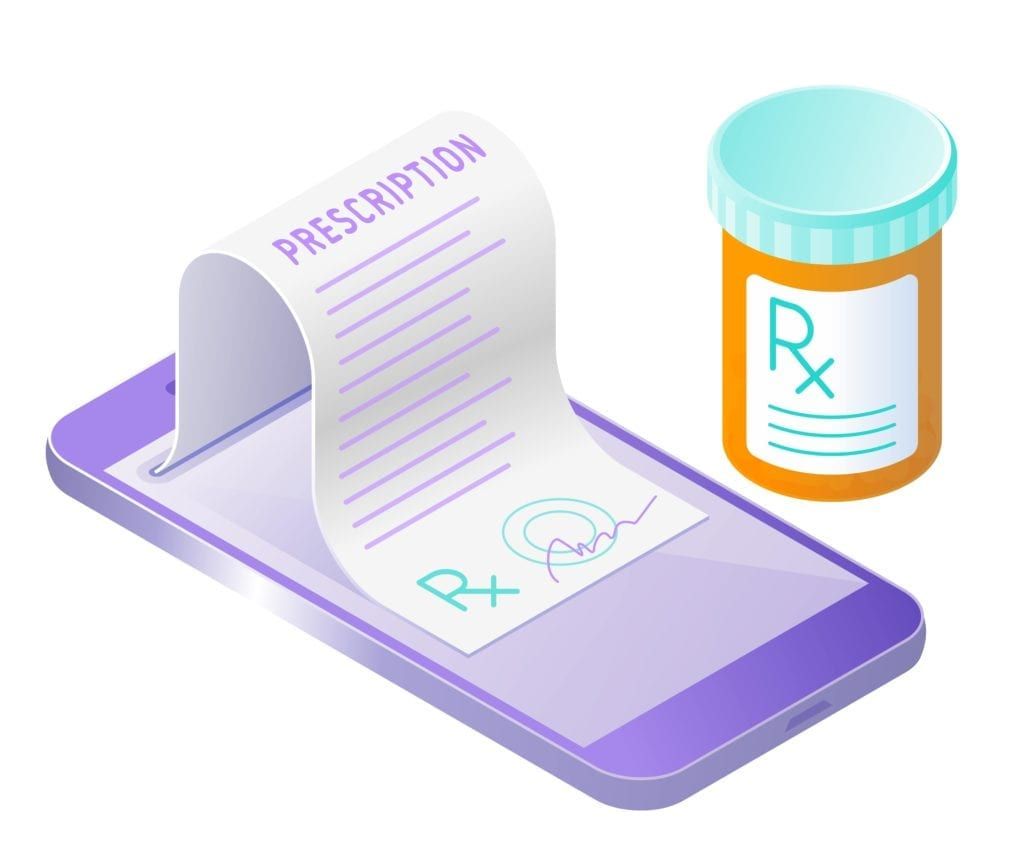
The recent outbreak of the SARS-CoV-2 virus, also known as COVID-19 or Coronavirus, has led to federal recommendations calling for social distancing practices as a way to slow the spread of the virus. Consequently, many medical offices are responding by offering video appointments to their patients. Known as telemedicine, this approach lets doctors provide care to their patients without the risk of spreading this highly-contagious virus.
With telemedicine, instead of visiting your doctor’s office for an appointment, you simply login to a HIPAA-compliant platform for your video appointment. This allows you to see and speak with your doctor about your non-urgent medical concerns from the comfort of your own home. Not only does this protect you from unnecessary exposure, but it helps to alleviate the pressure on emergency rooms and urgent care clinics. With that being said, video appointments are intended for non-urgent medical concerns. If you are experiencing a possible health emergency, it is recommended to skip the video visit and call 911.
The day of your appointment, it is recommended that you login about 10-20 minutes before your scheduled appointment time to make sure everything is working on your end. Although you don’t need to physically visit your doctor’s office, it is still recommended to treat the video appointment as you would an office visit. Therefore, you should jot down and questions or concerns you have for your doctor ahead of time. Additionally, you will want to have a list of your current medications handy as well.
What Can Telemedicine Treat?
Depending on your medical condition, your video appointment will vary. Telemedicine works well to treat the following conditions:
Allergies
Arthritis
Asthma
Bronchitis
Cellulitis
Colds and flu
Diarrhea
Infections
Insect bites
Pharyngitis
Conjunctivitis
Rashes
Respiratory infections
Sinusitis
Skin inflammation
Sore throats
Sprains and strains
Bladder infections
UTIs
Sports injuries
Vomiting
What Happens During a Telemedicine Appointment?
As a general rule, you can expect to discuss the things that you would normally discuss during an in-office appointment such as chief complaints, medical history, symptoms you are experiencing, family history, medication review, allergies, and history of the illness (if chronic). Additionally, you can expect to perform a provider-directed self-examination.
After your appointment, your doctor may prescribe certain medications to treat the diagnosis. This is especially common if you have an established relationship and/or a chronic health condition. In other cases, your doctor may direct you to come into the office for further examination or diagnostic tests. They may also provide you with other guidelines to follow in the meantime.
How to Have a Good Appointment
While telemedicine offers a variety of benefits, it still has a few shortcomings. Therefore, here are a few tips to help you with your telemedicine appointment:
Start Early
As mentioned before, it is a good idea to login about 10-20 minutes before your scheduled appointment time to make sure everything is working on your end. This also allows you to be ready for your appointment once your doctor is.
Be Professional
Another way to benefit from your telemedicine appointment is to be professional. Basically, this just means that you will treat a video appointment like you would an office visit. This means getting dressed, and picking a quiet location to carry out your appointment free from distractions.
Use Video
If you are faced with the decision between using audio only or using video, it is recommended that you choose video. This is because the large amount of body language and facial expressions are lost with the visual component of communication. Simply stated, video appointments can make you feel more comfortable and help foster trust.
Dr Kumar is a highly skilled physician dedicated to providing gentle and effective care to patients of all ages and medical conditions. He achieved his degree in a field that he is passionate about. He believes that excellent health begins with education and has made his mission to enlighten patients to ways they can take greater control over their health. Dr Kumar is committed to continuing education activities and remaining aware of the latest advancements in Medical Science to maintain current high standards of care.
As of January 22nd, 2020, there was only one reported case of COVID-19 in the United States. A week later there were 5 cases. A month later there were 15 cases. Then in the beginning of March the number of cases almost doubled overnight going from 30 reported cases on March 1st to 53 cases on March 2nd. By St. Patrick’s Day, this number had grown to 7038. As of March 30th, there are currently 163,539 cases of COVID-19 in the United States according to the Centers for Disease Control and Prevention.On March 31st, the South Carolina Department of Health and Environmental Control (DHEC) noted that there are a reported 1,083 cases in 42 counties of South Carolina. Currently Lancaster County has 15 confirmed cases of COVID-19.
As this pandemic continues, there has been talk about social distancing practices intended to flatten the curve. Yet, not everyone is adhering to social distancing guidelines. In fact, the lack of adherence to social distancing guidelines inspired Republican Gov. Henry McMaster’s decision to close access points to the state’s beaches, as well as public boat ramps and access points to rivers and lakes. Previously, the governor of South Carolina had made the decision to close dine-in restaurants and bars. However, he has yet to issue a stay-at-home order. As of March 30th, 30 states have issued stay-at-home orders, while another 4 states have ordered all non-essential businesses to close.
Even without a statewide stay-at-home order, South Carolina residents are still adhering to The President’s Coronavirus Guidelines for America, which are based upon slowing the spread of the virus. In fact, slowing the spread or flattening the curve are two phrases that are being thrown around as the primary motivation for stay-at-home orders and the closing of public places.
Using acquired knowledge about how pandemics function, health professionals and researchers agree that the best way to control the current situation is through nonpharmaceutical interventions (NPIs), or community mitigation measures. NPIs are a set of guidelines that individuals and communities are recommended to follow in order to slow the spread of respiratory viruses in order to reduce the number and severity of cases.
Until a vaccine is widely available, research has indicated that the best way to slow viral transmission from host to host is to reduce opportunities for exposure. Research also indicates that it can take up to 6 months to develop a safe pandemic vaccine. Therefore, NPIs are the best method for dealing with a pandemic caused by a novel virus.
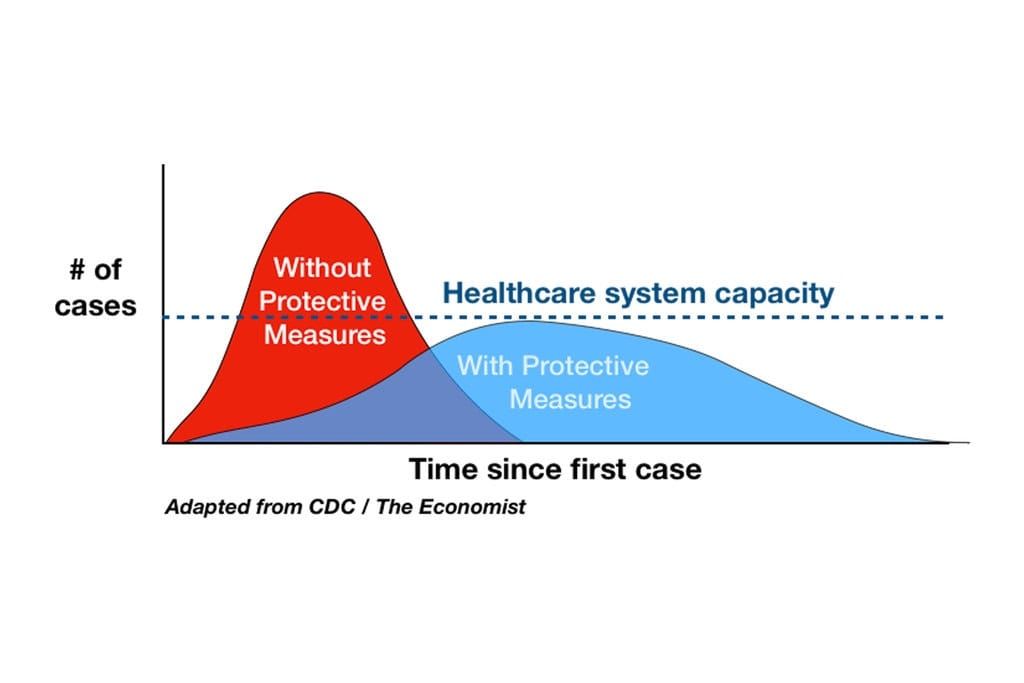
While NPIs like hand-washing and social distancing will not entirely stop the spread of virus, they do interrupt the natural way a viral outbreak occurs. When looking at the above diagram, you will notice that the red curve indicates rapid spreading of the virus that results in large amounts of the population all being infected around the same time. Conversely, the blue curve shows a slower spread of the virus with less people being infected.
Additionally, it is important to note the dotted line in the middle, which indicates the available number of medical resources needed to treat the virus. As you can see, the red curve extends far beyond that dotted line. What this means is that only the infected individuals below the dotted line can be treated. Therefore, anyone above that line will not receive the treatment needed to recover.
Conversely, looking at the blue curve, you will notice the curve does not cross the dotted line. This is because slowing the spread of the virus decreases the likelihood that the number of cases will peak all at once. Although there is still a peak, this peak lasts longer and is much lower than it would have been without practicing social distancing.
Still, some people may argue that coronavirus is simply like the flu and social distancing is an overreaction. However, one main difference between the two is that most people have partial immunity to the flu. This is not the case with COVID-19 since it is an entirely new virus. Therefore, the opportunity for people to become infected with the virus is much higher than that of the flu.
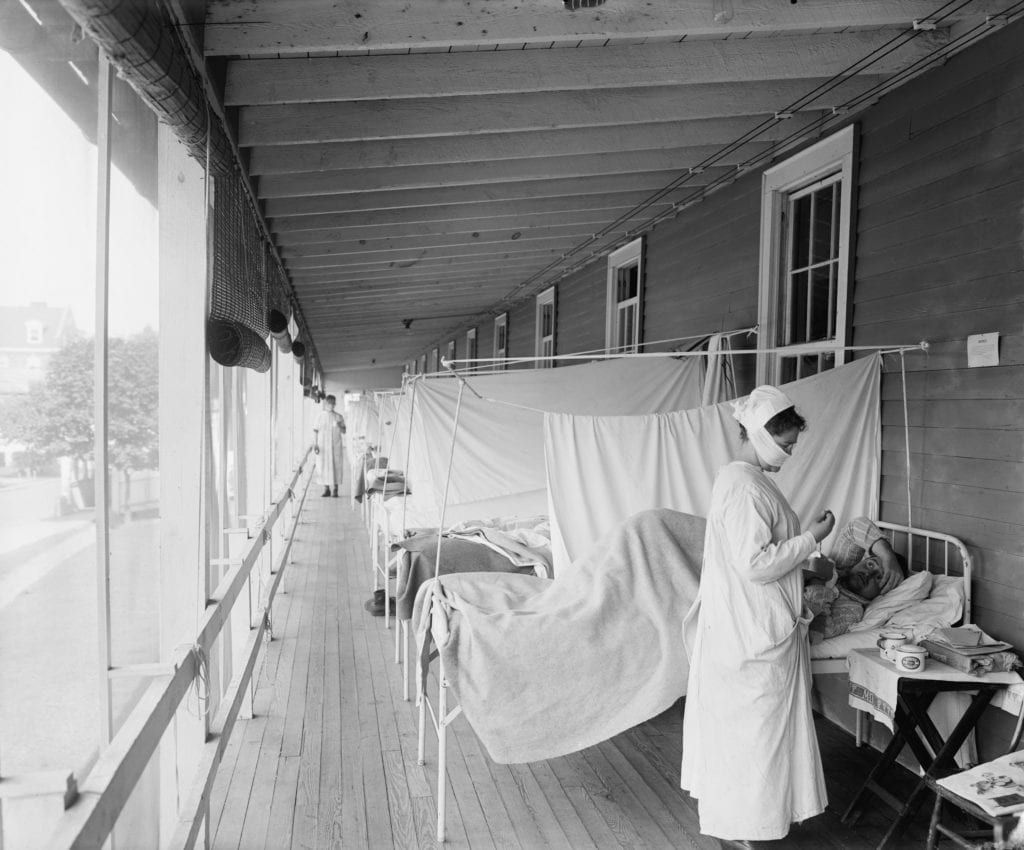
Not only that, but there is historical evidence that shows social distancing works. In 1918 during the outbreak of the Spanish flu, two U.S cities responded very differently. The first city, Philadelphia, continued with business as usual and even carried out a parade with thousands of people in attendance. Unfortunately, this resulted in death from the Spanish flu 48-72 hours later. In total, the city lost 16,000 individuals in six months.
Conversely, St. Louis implemented social distancing strategies, closed schools, and limited travel. Allow there were still deaths associated with the pandemic, St. Louis lost 2,000 individuals instead of 16,000. At that time, St. Louis was the fourth largest city in the United States, yet it had the lowest mortality rate for its size.
While no one can accurately predict what will happen next, there are several hypotheses backed by medical and history evidence that suggest social distancing is a key way to overcome the COVID-19 pandemic. Therefore to protect yourself and your family, stay home and stay safe.
***If you believe you are experiencing symptoms of COVID-19, call us at (803)283-2300***
Dr Kumar is a highly skilled physician dedicated to providing gentle and effective care to patients of all ages and medical conditions. He achieved his degree in a field that he is passionate about. He believes that excellent health begins with education and has made his mission to enlighten patients to ways they can take greater control over their health. Dr Kumar is committed to continuing education activities and remaining aware of the latest advancements in Medical Science to maintain current high standards of care.
Along with the new decade came a new strain of the coronavirus that has sparked fear and worldwide panic. Originating in Wuhan, China, Coronavirus now has confirmed cases in 81 other countries, with 80 confirmed cases in the United States. As of March 4th, 2020, the Centers for Disease Control and Prevention (CDC) reports that 13 states including Arizona, California, Florida, Georgia, Illinois, Massachusetts, New Hampshire, New York, North Carolina, Oregon, Rhode Island, Washington, and Wisconsin have cases of Coronavirus. Currently, 9 people have died due to the virus.
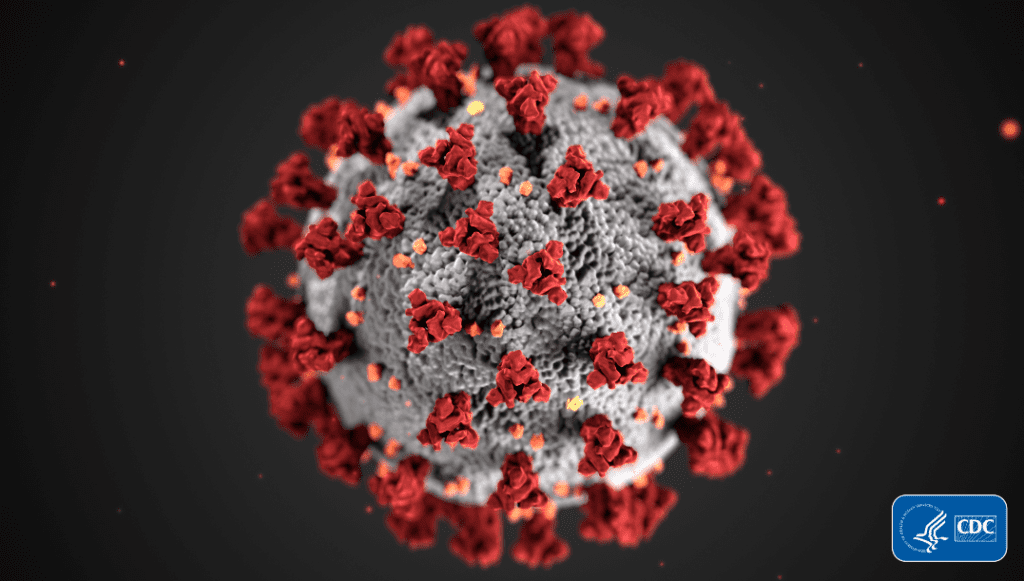
Coronaviruses were initially discovered by scientists around the 1960s. It earned its name from the crown shaped protrusions that cover its surface. There are seven strains of Coronavirus that affect humans, including:
SARS-CoV-2 Coronavirus image provided by the CDC
229E (alpha coronavirus)
NL63 (alpha coronavirus)
OC43 (beta coronavirus)
HKU1 (beta coronavirus)
MERS-CoV (beta coronavirus that causes Middle East Respiratory Syndrome MERS)
SARS-CoV (beta coronavirus that causes severe acute respiratory syndrome SARS)
SARS-CoV-2 (novel coronavirus that causes coronavirus disease 2019, aka: COVID-19)
Every year, people around the world are affected by coronavirus 229E, NL63, OC43, and HKU1. In fact, these strains have affected almost every person during some point in their lifetime. The 229E, NL63, OC43, and HKU1 strains of coronavirus generally cause symptoms such as runny nose, headache, fever, sore throat, cough, and a general unwell feeling. More serious cases have also been known to develop into pneumonia or bronchitis.
Animals such as cattle, camels, and bats are also susceptible to certain strains, and can even pass these strains to humans. In the past, this has occurred with SARS-CoV and MERS-CoV. It is believed that this may also be the case for COVID-19. Research has suggested that the virus originated from bats, was spread to humans at a live animal market, and then continued to spread from person to person. The virus spreads through community spread, which means it tends to affect people in the same area.
Beyond the fact that COVID-19 affects people in the same area, it is known for sure how the virus spreads. However, other types of common human coronaviruses can be transmitted by air that has been infected with coughing or sneezing, close personal contact or touching, and touching an infected surface and then touching your eyes, nose, or mouth.
Based on this, scientists believe the virus is spread through close contact and through respiratory droplets that contain the virus. They also believe that the virus is the most contagious when a person is actively experiencing symptoms, although it is possible to spread the virus without symptoms. The virus may also spread from touching infected surfaces and then your mouth, nose, or eyes.
The CDC has noted that there is a high potential threat for both the United States and other countries. Currently, however, the virus is not considered to be rapidly spreading through the United States and the majority of the population will not be immediately exposed. Nevertheless, the virus will likely reach the level of global pandemic and the risk to the United States may change at any time.
As a precaution, the CDC recommends taking the following steps:
get a flu shot
cover your cough or sneeze
wash your hands often, especially before facial contact
stay home when you are sick
avoid close contact with others
clean surfaces
To stay up to date on the latest news regarding COVID-19, visit the Centers for Disease Control and Prevention website. They post regular updates about cases of COVID-19 in the United States Monday through Friday.
Dr Kumar is a highly skilled physician dedicated to providing gentle and effective care to patients of all ages and medical conditions. He achieved his degree in a field that he is passionate about. He believes that excellent health begins with education and has made his mission to enlighten patients to ways they can take greater control over their health. Dr Kumar is committed to continuing education activities and remaining aware of the latest advancements in Medical Science to maintain current high standards of care.
Did you know that cardiovascular disease kills more women than all types of cancers combined? In fact, cardiovascular disease has been deemed the #1 cause of death in women. Unfortunately, however, many people are unaware of how serious this problem is. For this reason, the American Heart Association (AHA) has established February 7th as Wear Red for Women day as part of their Go Red for Women campaign.
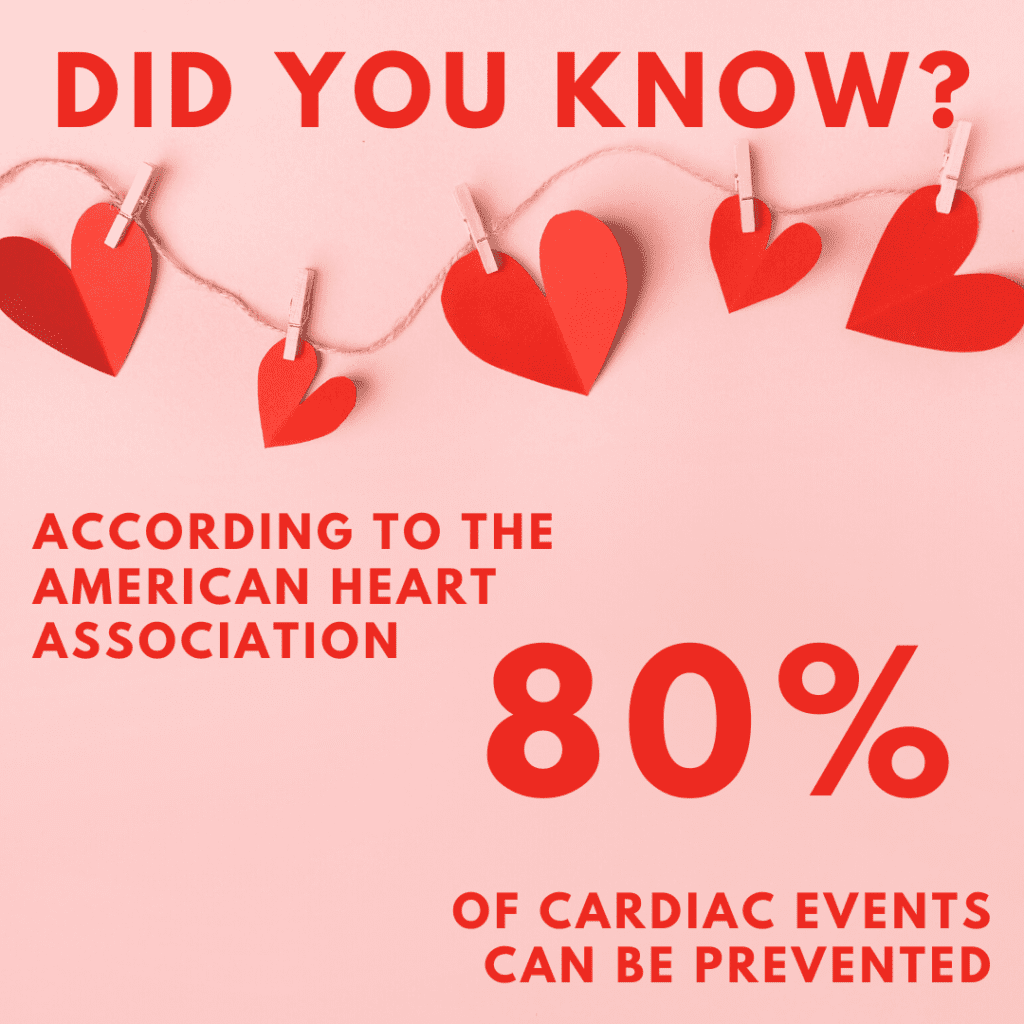
Wear red day is intended to raise awareness about how heart disease affects women, as well as to advocate for more research and care focused on the correlation between the two. Because women experience heart disease differently than men, there needs to be more patient education, research, and specialized care in order to reduce the mortality rate. In fact, the American Heart Association notes that almost 80% of cardiac events can be prevented, showing that spreading awareness can help to reduce the prevalence of severe cardiac events in women.
Not only that, but the Go Red for Women campaign also highlights the scarcity of research focused on how heart disease is exhibited in women. This is because they found that less than half of any trial participants are women and that many studies do not pay attention to the biological differences between the sexes. Therefore, much of what we have been told about heart disease is actually centered around how it is exhibited in men.
However, there is definitely some overlap in the way that men and women experience heart disease. For example, a couple of common symptoms that occur in both men and women can include chest pain and shortness of breath. Additionally, however, women may also show signs that may not immediately be connected to heart disease, such as:
Nausea or vomiting
Fatigue
Lightheadedness
Sweating
Pain in the neck, jaw, throat, upper abdomen, or back
In most cases, women with heart disease tend to experience symptoms while resting, but there are cases where symptoms may be brought on by emotional stress. Additionally, symptoms can affect women differently and not every symptom must be present to indicate the presence of heart disease. Any of these symptoms suggest that a visit to your local cardiologist is needed to determine whether or not they are caused by heart disease.
It is important to visit your cardiologist if you are at an increased risk of developing heart disease, especially if you are experiencing early symptoms. Some things that can indicate an increased risk for cardiovascular disease include:
Menopause
Pregnancy complications
Family history of heart disease
Depression
Unhealthy diet and/or stationary lifestyle
High blood pressure
Obesity
Excessive alcohol intake
Diabetes
While women with these conditions may be at an elevated risk of developing cardiovascular disease, all women are potentially at risk. Therefore it is necessary to attend yearly physicals to monitor your blood pressure, as well as blood sugar and cholesterol levels.
Overall, heart disease in women poses a serious potential threat to women everywhere, especially being the #1 cause of death in women. However, about 80% of cardiac events can be prevented, meaning that there is definitely hope for the future. In order to educate more women and advocate for women-centered heart disease research, the AHA urges people to wear red on February 7th.
Dr Amrendra Kumar is a highly skilled physician dedicated to providing gentle and effective care to patients of all ages and medical conditions. He achieved his degree in a field that he is passionate about. He believes that excellent health begins with education and has made his mission to enlighten patients to ways they can take greater control over their health. Dr Kumar is committed to continuing education activities and remaining aware of the latest advancements in Medical Science to maintain current high standards of care.