As primary physician clinics deplete and merge with urgent care centers, it has led to increased access for patients requiring medical treatment without going to the ED. For migraine patients, having this access is ever more crucial to improving the healthcare industry and how physicians treat migraines in different settings. For those who suffer intense migraines and cannot wait for their specialty appointment or medication refill, primary-urgent clinics like ours can present to patients a faster alternative. But does primary-urgent care provide better treatment than specialty clinics for migraines?
Meta-Title: How to Wrap Your Head Around Migraines
Meta- Description: If you’re suffering from intense migraines, find out why visiting a primary and urgent care center may be the best options for headache relief.
What Studies Say About Migraine Relief
Many adults who have migraines are often left with an unusual dilemma when learning about treatment options and preventative methods. This dilemma involves what quality of care they will receive, which includes what proper medications are needed to control their migraines and what physicians will be able to provide enough attention to treat and prevent migraines effectively. According to a study reported in Preventative Medicine Reports, these subtleties in pattern and changes in procedures vary, and that preventative measures for migraines often rely heavily on the physician’s expertise and familiarity with migraine treatments.
Throughout the study, migraine-preventative patterns were observed throughout primary and specialty care practices between 2006 and 2009, with patients over 18 included in the study. Over 72% of migraine medications were prescribed by primary care physicians, with the majority of those medications including beta-blockers, antidepressants, and triptans for short term preventions for migraines. On the other, anticonvulsants, triptans were prescribed more by neurologists and psychiatrists. By observing the collective data of these prescriptions, researchers found that while there weren’t any significant differences in prescription patterns for antidepressants and beta-blockers, there were prescription patterns that determined the medication based on the patient’s presence of other conditions, such as depression and hypertension.
Why Choose Primary/Urgent Care?
At our primary and urgent care center, we can narrow down the selective causes of your migraines by observing your medical history, associated conditions, and other factors and provide instant pain relief. For migraine relief, our clinic works to provide migraine treatment through:
Long-term management: Chronic migraines can be debilitating when present every day, and for those who regularly suffer from migraines, our team can not only provide treatment but also provide recommendations for migraine prevention and management
Revisit Prescriptions: If your current medication doesn’t help you find relief, our team can be here to discuss your medications and how well they work at treating your migraines
Immediate Treatment: For migraines severe but not life-threatening, we can provide immediate treatment such as intravenous injections containing Zofran, Toradol, and other medications to help you feel better
For migraine relief, if we are unable to provide treatment, then we will recommend you to the best specialists in the area to help understand migraine triggers, what may cause your migraines, and medications to better manage them. At MD First Primary & Urgent Care, we’re here for you and can help you with any of your urgent needs.
The rising demand for emergency care services, combined with this year’s Covid-19 pandemic, has led to an increase in emergency crowding, increased costs, pressure on medical staff members, expanded waiting times, and overall less access to healthcare services. Urgent care services have begun to fill in the needs of those suffering from Covid-19 symptoms and those with other chronic health conditions. How people choose to access their health services has drastically changed; telemedicine has created an alternative route for patients not only to continue to be safe during the pandemic but also to have better access to services in urgent scenarios non-covid related.
What Telemedicine Has Done For Urgent Care Centers
Many studies have already begun to claim the benefits of urgent care services, where chronic conditions and patients experiencing symptoms can get a faster, ultimately more reliable response from medical professionals. However, because of the drastic changes the Covid-19 pandemic has brought, many patients have begun to choose virtual settings for their illnesses to not only slow the spread but get better access to the services they need. Studies such as those found in the Public Health Emergency COVID-19 Initiative have looked at the rapidly changing environment urgent care centers have faced and found that patients seeking urgent care services throughout the city have helped telemedicine services expand.
According to the study, the impact virtual environments had on an urgent care setting ultimately scaled to manage the volume and influx of more than 17,000 patients within a month throughout the pandemic surge. Within this influx, at least 450 has to be referred to an emergency department, and through multiple providers, found that it minimized the spread during surges. While only 49% of responding patients would have sought care within an emergency room, and 37% preferring in-person urgent care, virtual care urgent platforms have the potential to service over 800 people a day during the pandemic surge and can help patients suffering from chronic conditions receive treatment faster.
Why Use Virtual Telemedicine For Your Health?
Telemedicine has the ability to treat patients on a widespread scale and help evaluate patients for a variety of conditions before being recommended to a local emergency department or specialty center. Urgent care centers with virtual capacity can provide numerous benefits for patients seeking services, such as:
Improved Access: Finding better access to care treatments can include telemedicine solutions, such as video one-on-one calls, to give patients in rural areas more access to the resources they need.
Reduce Infections: Even beyond the Covid-19 pandemic, those chronically ill can help reduce the spread of diseases and viruses to others and significantly reduce exposure.
Clear Diagnosis and Treatment: Diagnosis programs that narrow down symptoms and medical streaming devices that incorporate patient information can allow physicians in urgent care scenarios to diagnose and treat patients better.
Save Money: Patients who choose virtual visit options can also save money by reducing the costs of gas, transportation, and other factors that come with visits.
Telemedicine gives providers the ability to screen patients for their symptoms, assess their risk, and provide medical attention by recommending in-person visits and specialty practices to help their pain management. Urgent care centers can have a more interactive setting with their patients, and primary-urgent care practices like ours at MD First Primary & Urgent Care can be here for you.
Since March of this year the world has been going through a harrowing period as COVID-19 spread its way across the country and the globe. A constant stream of information has made it difficult to be certain of which is hype and which is legitimate information. This confusion is made even more difficult as experts postulate on the state of the pandemic, how long it will last, and the dangers involved. In the midst of all this information overload, new data suggests that the pandemic may have a new worrying element to it.
Children Are Carrying The Disease Without Symptoms
Recent research has revealed a trend in child patients that is leaving experts worried about the repercussions of reopening the schools. Studies have revealed that children who previously carried the disease are remaining capable of spreading the disease for far longer than previously expected. These children, some of which were asymptomatic (without symptoms) to begin with, are still shedding the virus three weeks later. Given that the present quarantine period is set at two weeks, this means that children in states where in-person school has resumed are returning to classes still capable of infecting their schoolmates.
What Does This Mean For Our Children And School?
Authorities are responding to this information in different ways, with New York City having opted to hold off in-person classes until October 1st from its initial Sept 20th start date. South Carolina, for its part, opted to maintain an in-person presence for schools, largely returning to a ‘business as usual’ approach. This means that there is a potential for children who are carrying the disease asymptomatically to put their classmates at risk of infection. Thankfully a provision has been included in the state guidelines that allow schools to offer their own virtual education program, though an initial in-person contact with the students is still required. It’s important that you research the rules and guidelines of your local school district to determine what options are available for your child. If you opt to have your child attend in-person classes be sure to emphasize the importance of social distancing, sanitation, and the proper use of masks during this time.
Should I Have My Child Tested For COVID?
While having your child tested regularly would be ideal until a proper vaccine is developed for COVID, present availability of testing kits makes this unfeasible. Instead it’s important that you limit their potential exposure and ensure they know how to be safe during the pandemic. If your child is beginning to reveal symptoms associated with COVID, including high fever or diarrhea, then it’s time to get them tested. If your child does contract the virus, speak with your physician about having an additional test done at the end of the quarantine period to ensure they’re no longer shedding the virus before returning them to school.
We here at MD First Primary and Urgent Care are dedicated to helping our family of patients remain safe during the Pandemic. If you’d like to educate yourself further on methods of preventing the spread of COVID-19 and protecting your family, call us or visit us today at our offices in Lancaster, SC.
Facebook, Twitter, Snapchat, and now TikTok have been changing the way that people connect, and information is communicated since their introduction. With all this innovation, however, comes a new risk. Fads used to be fairly local, and only the most pernicious managed to make their way onto the national or even global scene. Now fads can spread at the speed of social media and with them the so-called “challenges” that inspire people to do risky and sometimes outright dangerous things. The latest in the list of challenges that are spreading is the “Benadryl Challenges,” and it could be putting your children at risk.
What Are Challenges?
Challenges are some form of activity that viewers are encouraged to take part in, and in so doing, encourage others to try. Some are relatively harmless or even inspiring, such as food challenges, or makeup challenges, or even exercise challenges. Less benign are challenges that encourage people to do dangerous things, such as the “Tide Pod” challenge. This challenge dared viewers to bite open or even eat Tide detergent pods. Needless to say, the consequences of these types of challenges can be tragic, and parents should keep informed of them so they can talk to their kids about the dangers.
What Is The Benadryl Challenge?
This challenge, as the name suggests, is centered on the allergy medication known as Benadryl, or diphenhydramine. In addition to its intended use for the treatment of allergies, bug bites, rashes, and hives, it has other traits that only occur in high doses. These include altered mental states and hallucinations when taken in sufficient amounts, but these side-effects come with the risk of life-threatening symptoms. Given that the challenge encourages participants to take as many as twelve pills. This is double the maximum daily dosage for those under 12, and equal to that dosage for adults.
What Are The Risks?
The risks of this challenge come in the form of the side effects that come with overdosing. While altered mental states and hallucinations are the desired outcomes, they cannot be reached without putting oneself at risk of the other doses. These include increased heart rate, nausea, dizziness, vomiting, urinary retention, blurred vision, and high body temperature. The most serious potential repercussion is death from seizure, cardiac arrest, arrhythmia, or stroke. A desire to participate in the latest fad “challenge” could result in tragic consequences for the participant and their family.
What Can I Do?
The best step you as a parent can take is communicating with your children about the risks of this challenge. In the modern environment, there’s no meaningful way to keep your children from hearing about these types of challenges or consuming media that encourage them. While you can limit their exposure at home, internet access is available at schools, libraries, and of course, you can count on their friends sharing their newest favorite internet sensation. This means its essential that you stay abreast of these kinds of changes and establish an open-door policy for talking about them. Be sure to explain the potential repercussions of taking part in the challenge, and trust them to use that information effectively.
Looking for more information about this and other risks that face your children in today’s deeply connected world? Reach out to Dr. Amrendra Kumar or Kasey Hudson at MD First Primary & Urgent Care in Lancaster, SC. They can provide information on these and other social trends that may put your children at risk.
We’ve all experienced varying levels of stress at some point in our lives. In fact, stress is a natural part of life. Contrary to popular belief, not all stress is bad. Short periods of stress can be beneficial because they can give us extra energy to accomplish more. However, as most health professionals will tell you, chronic stress can be problematic since it can actually change your body.
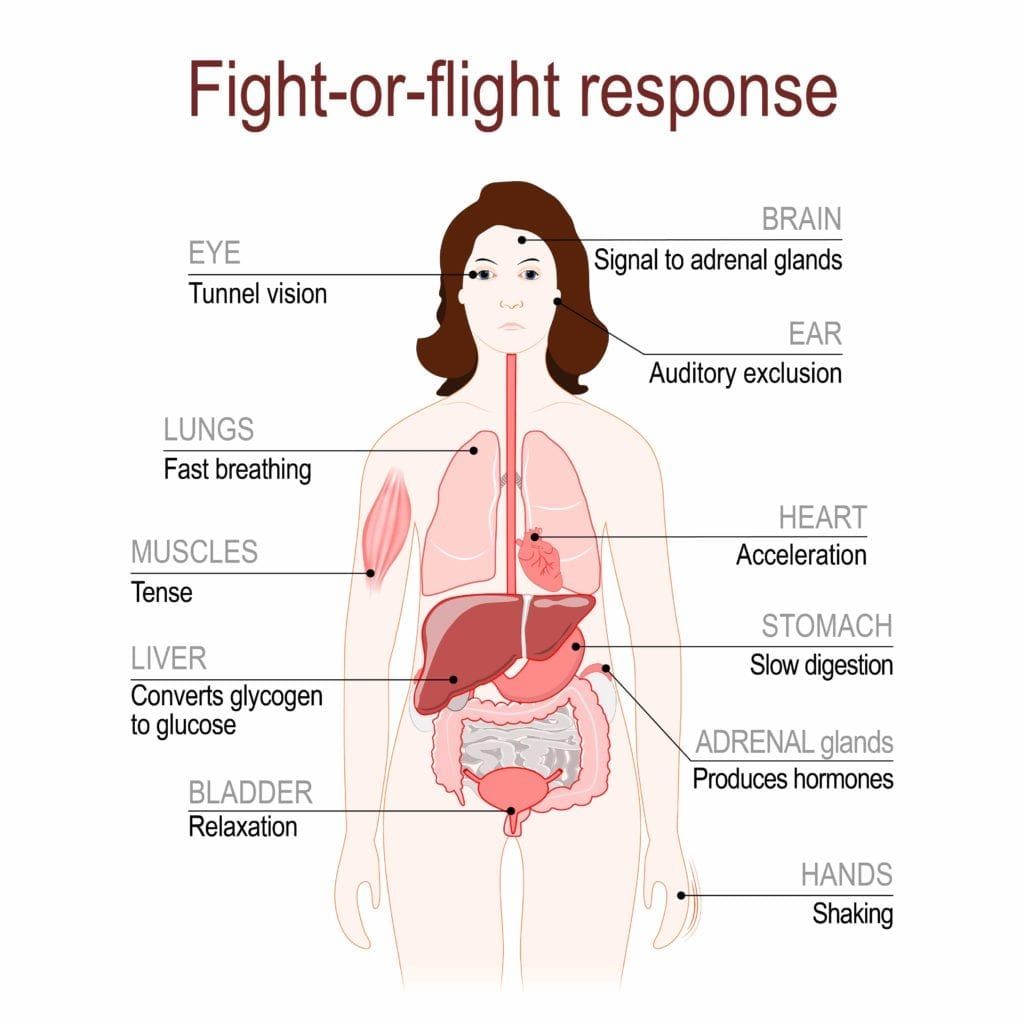
In order to understand how stress changes your body, we must first understand what happens to the body when you experience stress. Stressful situations cause the adrenal glands above your kidneys to release a hormone called cortisol. Cortisol essentially gives your body a boost of energy to address the stressful situation. Once the threat or stressful situation has passed, the body will return to normal and cortisol levels will stabilize.
However, those who experience chronic stress will not recover and they will maintain high cortisol levels. High levels of cortisol tell the body to trigger the fight or flight response. This means that your alertness and heart rate will increase, while other functions not associated with the fight or flight response will be reduced. Specific functions affected by cortisol levels include:
Regulating blood pressure
Reducing inflammation
Controlling the sleep/wake cycle
Increasing blood sugar
Boosting energy levels
Managing how the body uses fats, carbs, and proteins
Unfortunately, high cortisol levels affect these functions in different ways and some may even temporarily cease. As a result, high levels of cortisol are associated with several health conditions such as depression, anxiety, heart disease, headaches, problems concentrating, digestive problems, trouble sleeping, and weight gain.
Eventually your adrenal glands will wear out from producing an excessive amount of cortisol and will gradually start to produce less and less. As this happens, you will begin to experience fatigue. Chronic stress also interferes with the communication between your immune system and the hypothalamic-pituitary-adrenal (HPA) axis, which can cause chronic fatigue, metabolic disorders like diabetes and obesity, depression, and immune disorders.
Since stress is a normal part of everyday life, it is impossible to eliminate it entirely. However, you can learn how to manage your stress in order to prevent or minimize chronic stress and its effect on the body. The first step to managing stress is learning how to identify when you feel stressed so that you can take steps to decrease your stress. In some cases, this may mean making certain lifestyle changes to cut out or minimize stressors. In other cases, you may need to implement a variety of stress management strategies in order to deal with stress in a healthy way.
When it comes to stress management strategies, it may be trial and error until you find something that works for you. However, once you find it, be sure to stick with it. Some examples of stress management strategies include:
Having a healthy social support network
Regular physical exercise or activity
Getting enough sleep each night
Listen to music
Play with a pet
Meditate
Take a nap
Take a walk
Set aside time for leisure activities and relaxation
Did you know that the first researcher to link celiac disease to diet was born on September 13th, 1839? Later in 1888, Dr. Samuel Gee wrote a paper titled On the Coeliac Affection which was one of the first research papers describing celiac disease and how it can be managed through proper diet. As a result, September 13th is now known as Celiac Awareness Day.
It is currently estimated by the National Institute of Diabetes and Digestive and Kidney Diseases, that around 1 in every 141 Americans has celiac disease. The disease is also hereditary, meaning that it can be passed from family memeber to family member. In fact, individuals who have a parent, child, or sibling with celiac disease have a 1 in 10 risk of developing the disease themselves.
Celiac disease is a type of autoimmune disorder characterized by an immune response to gluten that produces toxins which destroy intestinal villi. Villi are small, thin protrusions that line the inside of the small intestine. They are necessary for the absorption of nutrients from food and damaged villi can result in an inability to absorb nutrients which can cause malnutrition and permanent intestinal damage.
Depending on an individual’s age, there are different symptoms that can indicate the presence of celiac disease. In fact, children and adults can experience entirely different symptoms. Oftentimes, children affected by celiac disease will come across as being tired and irritable, will likely be smaller than their peers, and may start puberty late. Additionally, children can experience vomiting, weight loss, abdominal pain and bloating, persistent diarrhea or constipation, or pale foul-smelling stools.
Adults affected by celiac disease can experience some of the same digestive symptoms, however they are usually also affected by other symptoms such as:
To diagnose celiac disease, your doctor will perform a blood test to check for high levels of antiendomysium (EMA) and anti-tissue transgluatiminase (tTGA) antibodies that are commonly seen in people with celiac disease. Additional blood tests such as complete blood count (CBC), liver function, cholesterol, alkaline phosphatase level, and serum albumin may also be performed.
In cases where the primary symptom is dermatitis herpetiformis, a skin biopsy may need to be performed. If blood tests or a skin biopsy is unable to make a diagnosis, then the final step may be to have an upper endoscopy. During an upper endoscopy, a small camera attached to a thin tube will be inserted into the mouth, esophagus, stomach, and small intestines so your doctor can look for damaged villi. During an upper endoscopy, your doctor may also perform an intestinal biopsy.
If you are diagnosed with celiac disease, you will need to completely eliminate gluten from your diet. In fact, this is currently the only way to successfully treat celiac disease. By removing gluten, your intestinal villi will heal and will be able to properly absorb nutrients again. In as little as a few days, you should notice your symptoms starting to improve. While it was once complicated to eat gluten free foods, many companies are now producing gluten free alternatives for people with celiac disease.
Did you know that the U.S Department of Health and Human Services estimates that around 8.6 million sports injuries occur every year? Of these 8.6 million injuries, about 42% affected the lower extremities, 30% affected the upper extremities, and around 16% affected the head and neck. When it comes to sports injuries that affect the lower and upper extremities, sprains and strains are a commonly seen injury. However because their names are so similar, many people are unaware about the differences between these two types of injuries. So, what exactly is a sprain, what is a strain, and how do you know the difference?
A sprain occurs when the ligaments are torn or overstretched. Ligaments are tissues that hold bone to bone together in a joint. The most common area for a sprain to occur is the ankle, especially when walking on an uneven surface or landing awkwardly from a jump. Other areas that can become sprained include: the knee when pivoted too far, the wrist when overextended during a fall, and the thumb when overextended during activities like skiing or racquet sports.
A strain occurs when the muscles or tendons are torn or overstretched. Tendons are tissues that hold muscle and bone together. In some cases, strains are also called pulled muscles. The most common area for a strain to occur is in the lower back and in the hamstrings. However, strains can also occur in the Achilles tendon as a result of quick starts or jumping, in the hands as a result of gripping, or in the elbows as a result of throwing or racquet sports.
Although both sprains and strains are caused by damage done to different tissues, they still have common symptoms. This is another reason why it is so difficult to differentiate the two. Symptoms of sprains include pain, swelling, bruising, limited joint mobility, and hearing or feeling a pop at the time of injury, while symptoms of strains include pain or tenderness, redness or bruising, limited mobility, muscle spasms, swelling, and muscle weakness. As you can see, these symptoms are highly similar. The main difference between the two in terms of symptoms are that sprains can be accompanied by a popping sound, and that strains are generally accompanied by muscle weakness or spasms.
To diagnose a sprain or strain, your doctor will palpate the affected area to determine points of tenderness. They will also evaluate the area for any swelling or bruising. When it comes to determining whether a sprain or strain has occurred, your doctor will look for subtle differences. For example, sprains tend to produce bruising, whereas strains may be diagnosed by feeling for muscle defects. In some cases, additional diagnostic tests will be used to help make an accurate diagnosis. These tests can include x-rays or MRIs to rule out breaks or fractures, and ultrasounds to examine the underlying muscle tissue.
The treatment for mild sprains and strains is to follow the RICE technique:
Rest: avoid using the affected joint
Ice: ice the affected area for 20 minutes on, then 20 minutes off and repeat as much as possible for the first 24-48 hours.
Compression: wrap the affected area in order to reduce swelling
Elevation: elevate the affected area above the level of your heart or at least parallel to the ground.
In some cases if a sprain or strain is severe, surgery may be required to repair the damage. This will likely be the case if the ligaments, tendons, or muscles have been torn.
Although Covid-19 is a respiratory virus, it has been found to affect people differently, especially those with preexisting health conditions such as systemic lupus erythematosus (SLE). If you or a loved one currently have lupus, you are likely wondering just how Covid-19 can affect individuals with lupus. In order to help you manage your health during this time, here is some information on the relationship between Covid-19 and lupus:
Symptoms: Covid- 19 or Lupus?
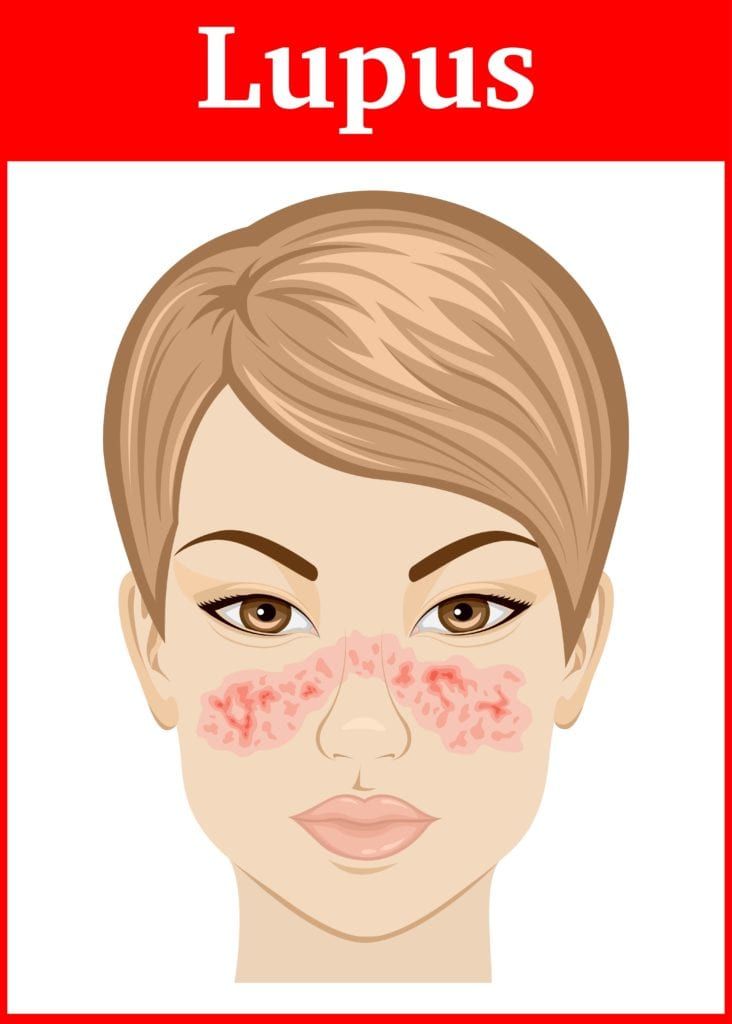
First and foremost, you will want to be aware of the various symptoms associated with both Covid-19 and lupus. Distinct symptoms of Covid-19 include: cough, shortness of breath, chills, sore throat, severe headache, loss of taste or smell, confusion, and pain or pressure in the chest. Distinct symptoms of lupus include: joint pain, malaise, skin issues (butterfly rash on face), coloration changes in the hands, and a loss of hair, appetite, or weight. While each condition has symptoms that are distinctive, they also have some symptoms that overlap, such as:
Fatigue
General weakness
Muscle pains
Headache
Fever
Since there is some overlap of symptoms, the best way to determine whether you are affected by Covid-19 is to get tested. You should also call your doctor to schedule an telehealth appointment for further medical advice.
How Does Covid-19 Affect Individuals with Lupus?
Due to the fact that lupus is a chronic autoimmune condition, the Lupus Foundation of America notes that those with the condition are at a higher risk of developing any type of infection, including Covid-19. As an autoimmune condition, lupus causes the body’s immune system to attack healthy cells. Unfortunately, this can have negative effects on the heart, kidneys, and nervous system, which makes it harder to fight off serious infections. Possible complications from Covid-19 are also compounded by additional medical conditions or immune-suppressing medications.
How Can I Prevent Covid-19?
If you or a loved one is affected by lupus, the best way to deal with Covid-19 is to prevent it by reducing the risk of infection. While researchers are still looking into the best ways to prevent infection, current research notes that the best way to prevent Covid-19 is to limit the amount of time spent in close proximity to those outside your immediate household. Additionally, if people in your household are exposed to other people, you should also avoid long periods of close contact with them as well.
In cases when you must leave your house, be sure to follow the guidelines set by medical professionals, including: wear a mask, keep 6ft of distance from others, avoid crowds, use hand sanitizer or wash your hands after touching shared surfaces, and avoid touching your face, mouth, nose, or eyes.
Additionally, you will want to continue taking your lupus medication as directed by your doctor. Certain medications, such as hydroxychloroquine (Palquenil) and chloroquine (Aralen), are being used by some to treat Covid-19. Because of this, some people worry about their prescriptions being in increased demand. To combat this, many insurers are allowing early refills and many doctors are issuing 90-day supplies instead of the traditional 30-day supply. You can also discuss other options with your pharmacist or visit a different pharmacy. However, be sure to check your insurance plan to make sure other pharmacies are in your network.
During the summertime, a common mantra we all hear is “make sure you stay hydrated and drink enough water”. While most of us will naturally drink when we get thirsty, health professionals often recommend drinking water even when we are not thirsty in order to stay hydrated. This may make you wonder why it is so important to stay hydrated.
For starters, the human body is composed of about 60% water and it is recommended to drink around 64 oz or (8) 8 oz glasses of water a day. This amount of water, known as the 8×8 rule is believed to be sufficient for preventing dehydration, or the state of losing more water than you are taking it. Dehydration is especially prevalent in the summertime since water is lost when we sweat. In addition to preventing dehydration, staying hydrated is important for the following reasons:
Prevents and Treats Headaches
A common symptom of dehydration is headache, so staying hydrated can prevent headaches from occurring. Not only that, but drinking plenty of water has also been found to relieve headaches in people who frequently experience them. In fact, a randomized study on the effects of water intake on headaches found that 47% of study participants reported headache improvement after drinking an additional 50.7 ounces of water daily.
Affects Brain Function
In addition to literally making your head hurt, dehydration also affects the way your brain functions inside your head. Even losing as little as 1-3% of water weight can cause impairments in mood, concentration, memory, and brain performance. Additionally, it can also cause symptoms of anxiety and fatigue in some cases. Staying properly hydrated helps to reduce these symptoms and maintains normal brain performance.
Makes Exercise Easier
People who exercise can lose about 6-10% of their water weight in sweat and the effects of dehydration can be seen when as little as 2% of water weight is lost. Trying to exercise while dehydrated makes exercise more difficult mentally and physically. Mentally, dehydration can decrease your motivation. Physically, dehydration increases fatigue and alters your body’s ability to control your temperature. Conversely, staying hydrated prevents these symptoms and improves your overall physical performance, which makes exercising easier and more enjoyable.
Helps You Lose Weight
Yes, drinking more water can actually help you lose weight due to water’s ability to boost your metabolic rate. When your metabolism is increased, this increases the number of calories you burn per day, which can help you lose weight. It has been found that drinking water half an hour before a meal also helps you to consume fewer calories in order to lose weight. One study noted that dieters who drank water before meals lost 44% more weight than those who didn’t drink water before meals.
Prevents Hangovers
Alcoholic beverages can cause the body to become dehydrated due to the fact that alcohol is a diuretic which causes the body to lose water. As a result, symptoms such as headache, fatigue, dry mouth, and thirst can occur. When these symptoms are experienced collectively after drinking alcohol, this is known as a hangover. Drinking a glass of water between alcoholic beverages, as well as one glass before bed helps to replenish lost water and prevent hangovers.
Relieves Constipation
People who have lower water consumption levels are more likely to have trouble passing a stool, as well as infrequent bowel movements. Oftentimes, drinking more water is recommended as a non-invasive treatment for constipation. Mineral water can also be beneficial for alleviating constipation symptoms since it contains magnesium and sodium, which improves bowel movement frequency.
Dr Kumar is a highly skilled physician dedicated to providing gentle and effective care to patients of all ages and medical conditions. He achieved his degree in a field that he is passionate about. He believes that excellent health begins with education and has made his mission to enlighten patients to ways they can take greater control over their health. Dr Kumar is committed to continuing education activities and remaining aware of the latest advancements in Medical Science to maintain current high standards of care.
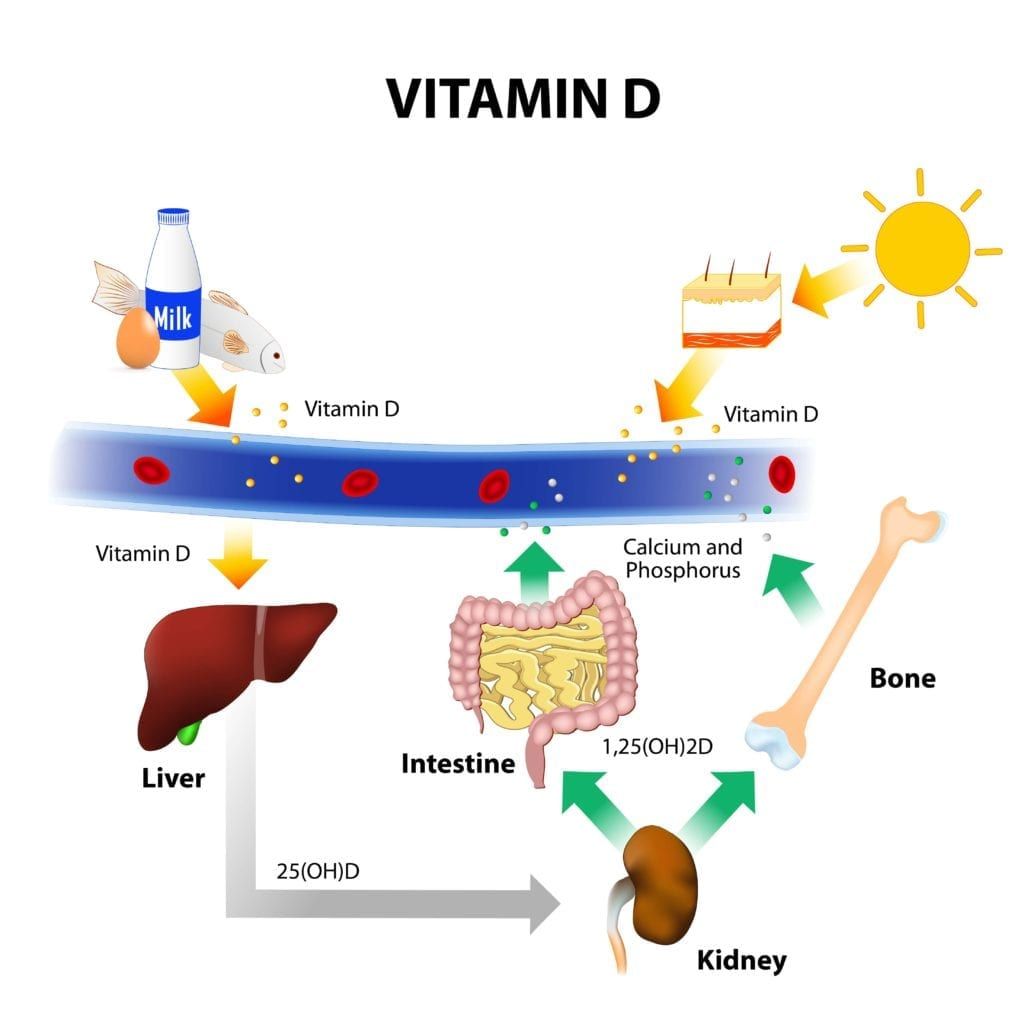
Did you know that as many as two thirds of otherwise healthy adults are vitamin D deficient? Vitamin D is responsible for helping your body to absorb calcium and calcium levels are directly related to your vitamin D levels. Vitamin D is obtained through the skin from the sun and through the small intestine from your diet and supplements. Since vitamin D is derived from the sun, people who do not go outside regularly can have a higher risk of developing a vitamin D deficiency.
To stay healthy, children and adults should be getting at least 600 IU of vitamin D a day, while adults over the age of 71 should be getting at least 800 IU. Unfortunately, vitamin D deficiency is an extremely common problem that many people may be affected by without even realizing it. There are certain risk factors for vitamin D deficiency including: being over the age of 65, having dark skin, being overweight, living away from the equator, constantly wearing sunscreen, and people who avoid eating fish or dairy products.
To determine if you are vitamin D deficient, your doctor can perform a simple blood test to check your vitamin D levels. While only a blood test can confirm a vitamin D deficiency diagnosis, you may be vitamin D deficient if you are experiencing any of the following:
Frequent Sickness
Vitamin D interacts with cells in your immune system and is partially responsible for keeping your immune system strong. Therefore, if you are regularly becoming sick with infections like colds or the flu, this can be an indication you aren’t getting enough vitamin D. In fact, getting sick frequently is one of the more common signs of a vitamin D deficiency.
Slow Healing
Along with getting sick more, wounds that heal slowly are another sign that you may be lacking vitamin D. This is especially true when it comes to recovering from dental procedures, since they can affect the bones. Vitamin D has been found to affect different aspects of healing such as the formation of new skin, controlling inflammation, and fighting against infection.
Bone Pain
Since vitamin D helps your body absorb calcium, it is directly related to your bone health. When you are not getting enough vitamin D, this can affect your calcium levels as well. This ultimately affects your bones and can cause bone pain. Lower back pain has also been linked to vitamin D deficiency.
Bone Loss
As mentioned above, vitamin D is essential for the body to absorb calcium. It is also responsible for bone metabolism, which is the process of keeping your bones healthy and strong. If the body is not getting enough vitamin D or calcium, then it will begin to leach calcium from the bones. This ultimately leads to bone loss and can increase the risk of fractures.
Fatigue
Feeling tired all the time can be another indication of vitamin D deficiency, especially in women. However, fatigue can also be caused by various other factors, so a blood test will usually be needed to determine if a low level of vitamin D is the culprit.
Depression
Along with fatigue, depression can also indicate a vitamin D deficiency. Oftentimes, these symptoms tend to go hand in hand and it may be hard to distinguish one from the other. Nevertheless, if you have noticed your mood has changed, you should visit your primary care physician to determine the cause.
Hair Loss
Some studies have shown a relationship between hair loss and low levels of vitamin D. However, hair loss can also be caused by other factors such as stress, disease, or nutrient deficiency. If you start taking vitamin D supplements and your hair grows back, most likely your hair loss was due to a vitamin D deficiency.
Dr Kumar is a highly skilled physician dedicated to providing gentle and effective care to patients of all ages and medical conditions. He achieved his degree in a field that he is passionate about. He believes that excellent health begins with education and has made his mission to enlighten patients to ways they can take greater control over their health. Dr Kumar is committed to continuing education activities and remaining aware of the latest advancements in Medical Science to maintain current high standards of care.