

Why the Holidays Can Feel Overwhelming
The holiday season often brings celebrations, family gatherings, travel, shopping, and changes to everyday routines. While these experiences can be enjoyable, they can also create additional responsibilities and expectations. For people in Lancaster, SC, recognizing how seasonal demands affect physical and emotional well-being can make it easier to maintain healthier habits. MD First Primary and Urgent Care and Amrendra Kumar provide the local context for this educational discussion about managing stress and protecting your health during the holidays.
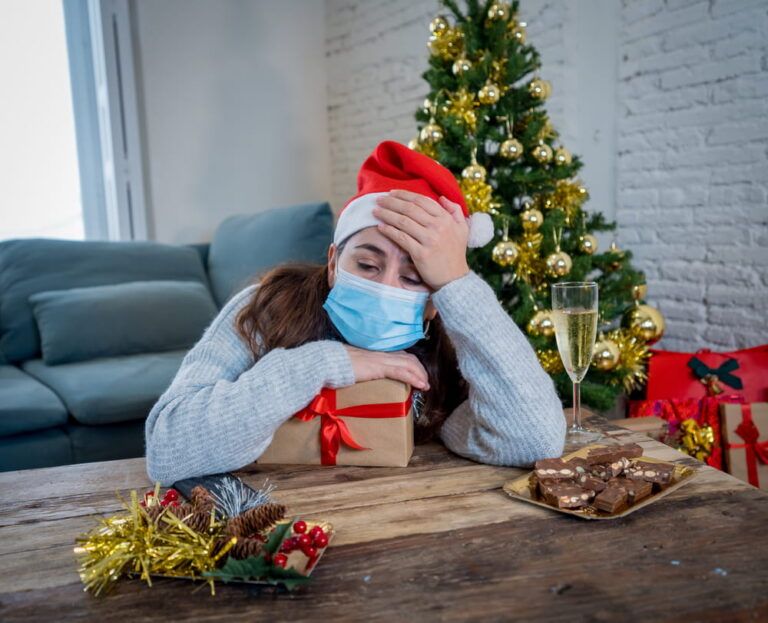
Holiday stress can develop for many reasons, including financial concerns, packed schedules, family responsibilities, work deadlines, and pressure to make celebrations feel perfect. At the same time, regular exercise, nutritious meals, adequate sleep, and quiet time may become less consistent. When several of these changes happen at once, people may feel tired, irritable, distracted, or overwhelmed.
Recognizing When Stress Is Building
Stress is a normal response to demanding situations, but prolonged stress can affect both the mind and body. Some people experience headaches, muscle tension, digestive discomfort, changes in appetite, difficulty sleeping, or persistent fatigue. Others may notice that they become impatient, have trouble concentrating, or find it difficult to enjoy activities they normally appreciate.
Paying attention to these changes can help people respond before seasonal stress becomes more difficult to manage. Routine primary care can be relevant to broader conversations about preventive health, sleep, physical wellness, and lifestyle factors that may influence how a person feels throughout a busy season. Persistent or concerning symptoms should not automatically be dismissed as simply part of the holidays.
Protecting Healthy Routines During Busy Weeks
Holiday schedules do not have to be perfect for healthy habits to remain valuable. Maintaining a reasonably consistent sleep schedule can support energy, concentration, and emotional regulation. Regular physical activity can also provide a healthy outlet for stress, whether that means following a normal exercise routine or simply making time for a daily walk.
Nutrition is another area where balance can be helpful. Holiday meals and treats can fit into an overall healthy lifestyle without requiring people to abandon their usual eating habits. Eating regular meals, including nutritious foods when possible, drinking enough water, and being mindful of portion sizes can help maintain steadier energy. Rather than approaching the season with an all-or-nothing mindset, focusing on sustainable choices may make healthy routines easier to maintain.
Creating Space for Mental Well-Being
Managing holiday stress sometimes requires deciding what does not need to be done. A long list of parties, errands, traditions, and social commitments can quickly become exhausting. Setting realistic expectations and establishing boundaries may provide more time for rest and activities that genuinely matter.
Simple stress-management practices can also be incorporated into everyday routines. Taking a short walk, practicing slow breathing, spending a few quiet minutes away from screens, or allowing time for a relaxing activity may help reduce feelings of pressure. Staying connected with supportive friends or family members can also be beneficial, particularly for people who experience loneliness or emotional challenges during the holiday season.
Responding When Health Concerns Interrupt the Holidays
Busy schedules and seasonal gatherings do not prevent illnesses or minor injuries from occurring. Respiratory infections, stomach illnesses, minor accidents, and other unexpected concerns can disrupt holiday plans. Practicing good hand hygiene, getting adequate rest, and avoiding close contact with others when sick can help reduce the spread of some illnesses.
It is also important to recognize symptoms that should not be ignored simply because the calendar is crowded. Depending on the situation, urgent care may be relevant when considering timely evaluation for unexpected illnesses or injuries. Severe or potentially life-threatening symptoms, however, require emergency medical attention rather than waiting for holiday activities to end.
Making Health Part of the Holiday Season
Staying healthy during the holidays does not require following every routine perfectly. A more practical approach is to protect the habits that have the greatest influence on everyday well-being while allowing flexibility for celebrations. Adequate sleep, balanced nutrition, physical activity, realistic expectations, and periods of rest can all help make a demanding season feel more manageable.
The holidays can be an opportunity to enjoy meaningful traditions without allowing seasonal pressure to overshadow personal well-being. For people in Lancaster, SC, making intentional choices about stress, rest, nutrition, and preventive health can support a more balanced season. MD First Primary and Urgent Care and Amrendra Kumar provide the local context for encouraging individuals to make their physical and emotional health a priority throughout the holidays.
Sources
American Psychological Association. (2023). Stress Effects on the Body. American Psychological Association.
National Institute of Mental Health. (2024). I’m So Stressed Out! Fact Sheet. National Institutes of Health.
Centers for Disease Control and Prevention. (2024). How to Have Healthier Holidays in 1-2-3! Centers for Disease Control and Prevention.